
Understanding LVP Floors
What are LVP Floors?
Luxury Vinyl Plank (LVP) floors are a popular flooring option designed to mimic the appearance of hardwood without the associated costs and maintenance. Made from synthetic materials, LVP is composed of multiple layers that include a backing layer for support, a core layer for durability, a printed layer for aesthetics, and a protective top layer to resist scratches and stains. This multi-layer construction makes lvp floors a versatile choice for both residential and commercial settings.
Benefits of LVP Floors
LVP floors come with a myriad of benefits that make them an attractive flooring choice:
- Durability: LVP is resistant to scratches, dents, and stains, making it ideal for high-traffic areas and homes with children or pets.
- Waterproof: Unlike traditional hardwood, LVP is impervious to moisture, allowing seamless installation in bathrooms and basements.
- Easy Installation: Click-lock installation systems allow for DIY-friendly setups, making it accessible for homeowners looking to cut costs on installation.
- Variety: Available in a range of colors, textures, and styles, LVP can complement any interior design theme.
- Comfort: The cushioning provided by LVP makes standing or walking on them comfortable, reducing strain on joints.
Common Misconceptions about LVP Floors
Despite its popularity, there are misconceptions surrounding LVP floors that can deter potential buyers:
- Not Authentic: Many believe that LVP lacks authenticity. However, advanced printing technology provides highly realistic wood and stone looks.
- Only for Low-End Projects: While cost-effective, LVP is suitable for high-end homes and upscale projects due to its aesthetics and durability.
- Requires Extensive Maintenance: LVP is easy to clean, needing only regular sweeping and occasional mopping, unlike hardwood that requires more upkeep.
Choosing the Right Style of LVP Floors
Exploring Different Designs
When it comes to selecting the right LVP floor, the design plays a crucial role. LVP is available in various designs catering to different tastes. From rustic wood finishes to contemporary stone looks, homeowners can opt for styles that resonate with their personal aesthetics. Additionally, some LVP products feature embossed textures that enhance realism, making them indistinguishable from natural materials.
Color and Texture Variations
The color and texture of LVP floors can significantly influence the ambiance of a room. Light shades can make a small room appear larger and more open, while darker colors can create a cozy, intimate environment. Furthermore, textures such as hand-scraped or wire-brushed can add depth and character to the flooring, elevating the overall look of the home’s interior.
Matching LVP Floors with Your Home Decor
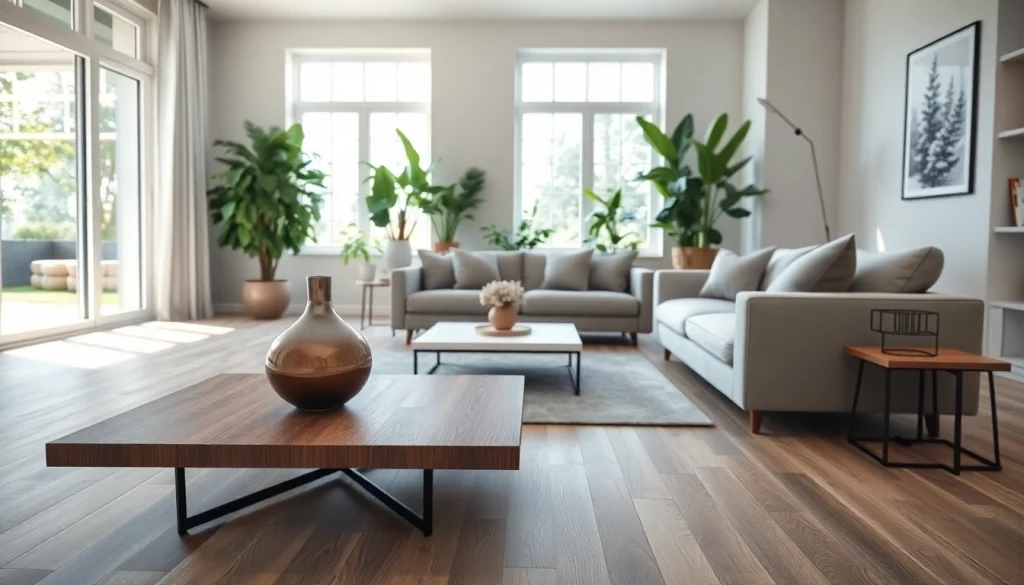
To effectively match LVP floors with home decor, consider the existing color palette and overall theme of your space. For modern decor, opt for sleek, smooth finishes in neutral shades. For traditional interiors, consider classic wood patterns in warmer tones. Mixing and matching different textures and styles can also create a compelling visual interest, so don’t shy away from thinking outside the box.
Installation Process for LVP Floors
Preparation Steps Before Installation
Before installing LVP floors, several preparation steps are necessary:
- Acclimatization: Allow the LVP planks to acclimate to the room’s temperature and humidity for at least 48 hours.
- Subfloor Assessment: Ensure the subfloor is clean, dry, and level to prevent bumps and shifts that can cause damage.
- Gathering Tools: Assemble necessary tools such as a measuring tape, utility knife, spacers, and a tapping block.
Step-by-Step Installation Guide
Here is a concise guide to install LVP:
- Measure and plan the layout of the LVP planks, accounting for any cuts needed.
- Begin installation from the longest wall, placing spacers along the edges to allow for expansion.
- Connect the planks using the click-lock mechanism, ensuring they fit snugly without gaps.
- Continue building rows, using a tapping block to secure the seams as necessary.
- Trim any excess material at the edges and remove spacers once the floor is complete.
Common Installation Mistakes to Avoid
To ensure a successful installation, avoid these common pitfalls:
- Ignoring Subfloor Issues: Always address any subfloor inconsistencies to prevent future issues.
- Skipping Acclimatization: Not allowing the planks to acclimatize can lead to warping.
- Inaccurate Measurements: Double-check measurements to prevent wastage and ensure a snug fit.
Maintaining Your LVP Floors
Daily Care Tips for Longevity
To maintain your LVP floors and ensure longevity, follow these daily care tips:
- Regularly sweep or vacuum to remove dirt and debris.
- Use a damp mop with a gentle cleaner designed for vinyl flooring.
- Avoid harsh chemicals or abrasive cleaners that can damage the surface.
Seasonal Maintenance Checklist
Seasonal maintenance is vital to keep LVP floors in pristine condition:
- Check for signs of wear and tear at the start of each season.
- Deep clean and condition the floors at least once a season.
- Ensure proper humidity levels are maintained to prevent shrinking or expansion.
Fixing Common Wear and Tear
If sagging, scratches, or dents occur, these steps can help remedy the issue:
- For minor scratches, use a vinyl repair kit specific to your floor’s color.
- Replace planks that are heavily damaged, following the recommended installation method.
- For dents, apply heat with a hairdryer, then gently press the area with a soft cloth to help restore shape.
FAQs About LVP Floors
What is the lifespan of lvp floors?
LVP floors can last between 10 to 30 years, varying by quality and maintenance. Higher-end products typically have longer lifespans.
Can lvp floors be installed in bathrooms?
Yes, LVP floors are waterproof, making them ideal for bathrooms and other moisture-prone areas.
How do I clean and maintain lvp floors?
Regular sweeping and damp mopping with a suitable cleaner are ideal for maintaining LVP floors while avoiding harsh chemicals.
Are lvp floors suitable for pets?
Absolutely, LVP floors are scratch-resistant and can withstand pet activity, making them a great choice for pet owners.
What is the cost range for lvp floors?
The cost of LVP flooring typically ranges from $2 to $7 per square foot, excluding installation. Pricing varies by quality and style.