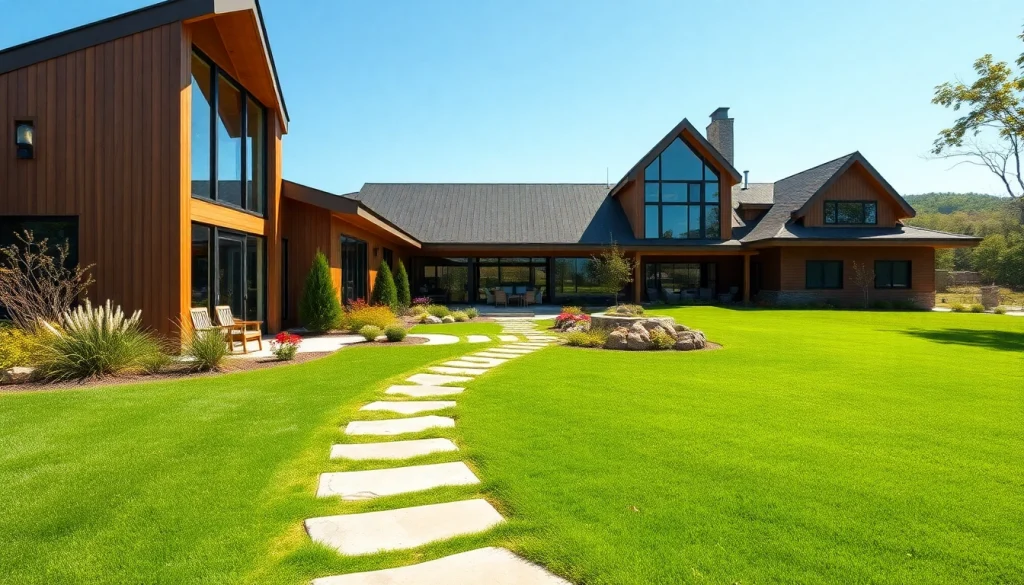

Understanding the Role of a New England Residential Architect
The realm of architecture encompasses a spectrum of responsibilities, each greatly influenced by the unique characteristics of the project at hand. A New England residential architect is a professional who intricately understands the local context, cultural nuances, and architectural styles. The essence of their work lies not just in aesthetics but in functionality, sustainability, and context-driven design.
What Does a Residential Architect Do?
A residential architect specializes in designing homes that meet the needs of their clients while also considering the socio-cultural and physical characteristics of the neighborhood. Their responsibilities typically encompass:
- Consultations: Engaging with clients to understand their vision, preferences, and lifestyle.
- Design Development: Creating initial design concepts and refining them into comprehensive plans.
- Documentation: Producing detailed blueprints and specifications necessary for construction.
- Project Oversight: Coordinating with contractors and ensuring the project adheres to design intentions and standards.
- Regulatory Compliance: Navigating the complex web of building codes, environmental regulations, and zoning laws.
The role of an architect extends beyond mere design; it involves a holistic approach to building, considering the long-term implications of their work on the environment and community.
Why Choose a Local Architect?
Choosing a local architect offers several advantages that are particularly pertinent to residential projects in New England. Local architects possess a deep understanding of the regional climate, materials, and architectural styles. They are also well-versed in local zoning laws and building codes, minimizing the risk of administrative delays.
Working with a local professional means you can benefit from their established networks of contractors and suppliers, which can lead to more efficient project execution. Moreover, a local architect is familiar with the community’s aesthetic tastes and cultural significance, allowing for designs that resonate with the local populace.
The Design Process Explained
The architectural design process is intricate and often iterative. Understanding its phases is crucial for homeowners. The stages generally include:
- Pre-Design: In this phase, architects collect data, understand client needs, and examine site conditions.
- Schematic Design: This stage includes preliminary design sketches, layout planning and gaining client feedback to refine ideas.
- Design Development: More detailed designs emerge, considering structural, mechanical, and electrical systems.
- Construction Documents: Architects prepare comprehensive drawings and specifications used for project costs and obtaining permits.
- Construction Administration: Architects provide oversight throughout construction, ensuring the design is faithfully executed.
This comprehensive approach not only enhances the quality of the final product but also ensures that it meets the specific needs and desires of the clients.
Design Inspirations from New England
New England is renowned for its rich architectural heritage, profoundly influenced by its history, geography, and culture. From quaint seaside cottages to majestic colonial homes, the region offers a diverse architectural vocabulary.
Traditional vs. Modern Architecture
The architectural landscape in New England beautifully juxtaposes traditional styles with modern aesthetics. Traditional homes feature classic design elements like gables, symmetrical facades, and extensive use of wood. Notable styles include Colonial, Cape Cod, and Federal.
Contrastingly, modern architecture in the region emphasizes minimalism, open spaces, and sustainability. Contemporary homes often incorporate innovative materials and tech, blending seamlessly with their environment. A skilled residential architect can balance these styles, creating harmonious designs that reflect personal tastes while honoring local traditions.
Integration with Natural Landscape
A hallmark of New England architecture is its strong connection to the natural landscape. Architects often design homes that complement their surroundings, utilizing materials that resonate with the local context. For instance, homes in coastal areas may feature durable siding to withstand harsh weather and large windows to maximize views of the ocean.
By integrating properties within their landscapes, architects help create spaces that enhance the beauty of the environment while ensuring privacy and utility. Natural landforms, vegetation, and existing wildlife are considered pivotal elements in the architectural design process.
Color Palettes and Materials
The choice of color palettes and materials in New England homes is deeply inspired by the seasonal changes and local geography. Traditional New England architecture often utilizes muted tones of gray, blue, and earthy hues, harmonizing with the coastal and woodland landscapes.
Wood is a prevalent material, reflecting the historic reliance on timber in the region. However, modern designs are moving towards sustainable materials like reclaimed wood, steel, and glass, which offer durability and energy efficiency. These choices exemplify a blend of traditional values with contemporary sensibilities, resulting in unique architectural expressions.
Benefits of Hiring a New England Residential Architect
Engaging a New England residential architect provides numerous advantages that extend beyond aesthetics. This includes customized solutions tailored to individual lifestyles, efficient project management, and adherence to sustainable design principles.
Customized Home Solutions
Each client has unique needs and aesthetic preferences, which a skilled architect can translate into bespoke designs. This personalization ensures that every aspect of the home is functional, comfortable, and reflective of the homeowner’s lifestyle. An architect collaborates with clients to address specific challenges, resulting in tailored solutions that resonate deeply with the inhabitants.
Enhancing Property Value
Well-designed homes significantly enhance property value. An architect’s expertise in creating functional layouts, optimizing space, and incorporating timeless design elements can lead to higher resale values. Furthermore, aesthetically pleasing homes that integrate well with their surroundings are often in greater demand, which can provide long-term financial benefits.
Sustainable Design Practices
In recent years, sustainable architecture has gained tremendous traction, especially in environmentally conscious areas like New England. A residential architect can implement green building practices, focusing on energy-efficient designs, renewable materials, and smart home technology. This not only benefits homeowners through reduced energy costs but also contributes positively to the environment, aligning with a growing societal focus on sustainability.
Common Challenges in Residential Design
While the benefits of hiring an architect are abundant, the journey of home design can present several challenges. Understanding potential obstacles is pivotal for ensuring a smoother execution of your residential project.
Budgeting for Your Project
Establishing a realistic budget is one of the pivotal aspects of home design. Costs can escalate quickly with unforeseen circumstances or changes in design. A skilled architect can provide clarity on budget allocation, helping clients prioritize essential features while planning for contingencies. Transparent communication about costs and adhering to a budget can mitigate financial stress throughout the construction process.
Navigating Building Regulations
Building regulations and zoning laws are critical considerations in any residential project. These regulations vary widely across different towns and regions in New England. A knowledgeable architect can navigate these rules, ensuring the design complies with local codes, thus avoiding costly delays and modifications during the approval process.
Choosing the Right Materials
The selection of materials is fundamental to the durability, maintenance, and aesthetic appeal of a home. With an overwhelming number of choices available today, residents can find it challenging to make the right decisions. A reputable architect can guide clients through the myriad options, recommending materials that align with the project requirements, climate conditions, and long-term maintenance considerations.
Frequently Asked Questions
How Much Does It Cost to Hire a New England Residential Architect?
The cost varies widely based on project size and complexity, typically ranging from 5% to 15% of the total construction cost. An architect can provide tailored estimates based on specific needs.
What Should I Look for in an Architect?
Focus on their portfolio, client reviews, and experience with similar projects. Ensure they communicate well and have a design style that aligns with your vision.
Can an Architect Help with Renovations?
Yes, residential architects specialize in renovations, helping to reimagine spaces while maintaining structural integrity and adhering to regulatory standards.
What Are Sustainable Design Options?
Sustainable options include energy-efficient materials, passive solar designs, water conservation systems, and the use of reclaimed or recycled materials.
How Long Does the Design Process Take?
The design process can take several months, depending on the project’s complexity. Factors include client feedback, regulatory approvals, and construction schedules.