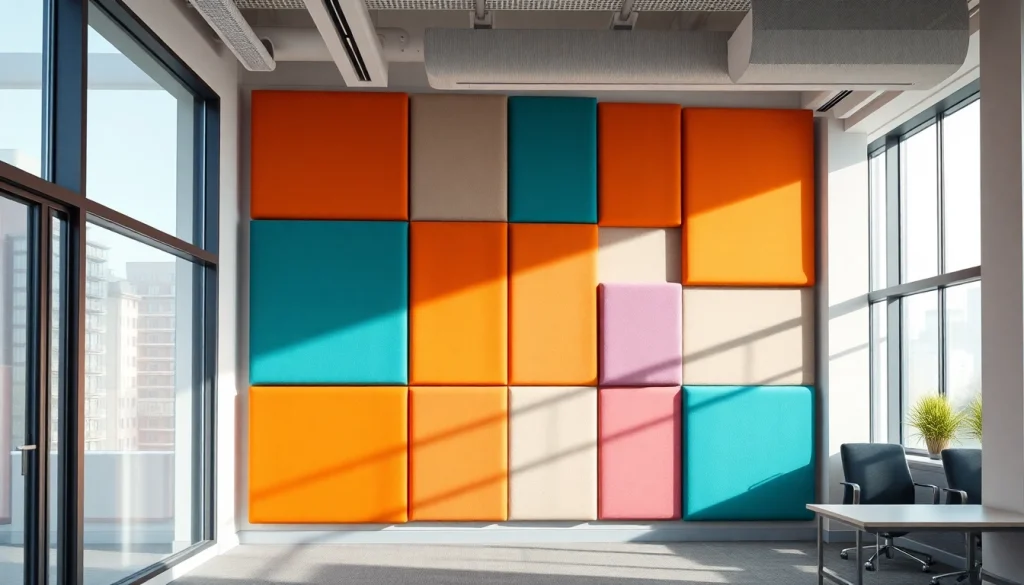

Understanding Acoustic Panels
What are Acoustic Panels?
Acoustic Panels are specialized materials designed to absorb sound waves, thereby enhancing sound quality and reducing noise levels in a given space. Often used in homes, offices, studios, and performance venues, these panels come in various forms and materials, optimizing sound clarity and coherence. Acoustic Panels address the issues of reverberation and echo that can disrupt the listening experience, making them an essential component in any sound-sensitive environment. They can be freestanding or wall-mounted and are often used alongside other soundproofing methods for maximum effectiveness. For detailed solutions visit Acoustic Panels.
How Acoustic Panels Work
Acoustic Panels work by utilizing materials that convert sound energy into a slight amount of heat. When sound waves collide with an acoustic panel, the porous or soft surfaces of these panels absorb and dissipate sound energy, reducing the intensity of sound reflections. This absorption diminishes the reverberation time within a space, allowing for clearer sound transmission. The effectiveness of Acoustic Panels is determined by factors including the panel’s thickness, density, and the types of materials used. Each material captures sound frequencies differently, making the selection of suitable panels crucial for achieving optimal acoustic balance.
Types of Acoustic Panels
There are several types of Acoustic Panels available, each serving specific needs and preferences. Common types include:
- Fabric-Wrapped Panels: These are popular for their aesthetic versatility and effectiveness in absorbing mid to high-frequency sounds.
- Foam Panels: Typically made from polyurethane or melamine, foam panels are light, cost-effective, and effective for sound absorption in various applications.
- Wood Panels: Combining beauty and performance, wooden acoustic panels can effectively reduce sound while adding a touch of elegance to interior spaces.
- Mass Loaded Vinyl (MLV): Heavyweight and dense, MLV panels are used primarily for sound isolation, providing excellent barrier properties.
Benefits of Using Acoustic Panels
Improved Sound Quality
One of the primary advantages of using Acoustic Panels is the marked improvement in sound quality. By absorbing excess sound energy, these panels diminish echoes and reverberations, ensuring that conversations, music, and other audio content are heard as intended. This improvement is especially vital in environments like recording studios, conference rooms, and home theaters, where clarity and detail in sound reproduction are essential for optimal performance.
Noise Reduction Techniques
Acoustic Panels play a critical role in noise reduction techniques. In busy environments, such as open offices or crowded restaurants, they help to mitigate disruptive noise, creating a more comfortable atmosphere for both employees and patrons. When combined with other soundproofing materials, such as soundproof doors and windows, these panels create a comprehensive noise reduction solution that addresses noise pollution effectively. The strategic placement of panels can lead to significant decibel reductions in sound transmission, further enhancing the ambiance of any space.
Aesthetic Appeal
Aside from their functional benefits, Acoustic Panels also contribute significantly to the aesthetic appeal of a space. They come in various colors, shapes, and textures, allowing for customization that can match or enhance existing decor. Whether you opt for colorful foam designs or elegant wood finishes, these panels can transform an ordinary room into a visually appealing, acoustically optimized environment. Interior designers increasingly incorporate Acoustic Panels into their designs to balance functionality with style, demonstrating their versatility as décor elements.
Choosing the Right Acoustic Panels
Material Options
The selection of material is crucial when choosing Acoustic Panels. The most common materials include acoustic foam, fiberglass, and mineral wool. Acoustic foam is lightweight, affordable, and effective for high-frequency sound absorption, making it a popular choice for homes and small studios. Fiberglass panels, while slightly more expensive, provide superior performance across a broader range of frequencies. Mineral wool panels are excellent for thicker applications where more sound insulation is required. Each material offers unique advantages, and the choice should be based on specific sound absorption needs, budget constraints, and aesthetic preferences.
Size and Thickness Considerations
When selecting Acoustic Panels, size and thickness are vital considerations. Thicker panels generally offer better sound absorption capabilities, particularly at lower frequencies, but they need to fit harmoniously within the space. Smaller rooms may benefit from strategically placed thinner panels that target specific reflective surfaces. It’s essential to evaluate the room’s acoustics and dimensions before finalizing panel size. As a general rule, a greater surface area and thickness will yield better acoustic performance.
Installation Requirements
Installation of Acoustic Panels can vary based on the panel type and the existing wall structure. Most foam and fabric-wrapped panels are relatively easy to install with adhesive or mounting brackets, while heavier materials like wood may require additional support. For optimal results, proper placement should consider sound reflections and absorption; panels should be positioned at first reflection points and other strategic locations in the room. It may also be beneficial to consult with a professional installer to ensure maximum effectiveness.
Common Misconceptions about Acoustic Panels
Debunking Myths
There are several common misconceptions surrounding Acoustic Panels that can lead to hesitation in their use. One prevalent myth is that they are only for professional settings. In reality, Acoustic Panels can enhance sound quality in any environment, including homes and small offices. Another myth is that they make a room feel smaller; in fact, when properly installed and selected in appropriate colors and textures, they can contribute positively to the space’s overall ambiance and even make it feel more spacious by removing distracting noise.
Clarifying Misunderstandings
People often misunderstand the purpose of Acoustic Panels, believing they serve solely to reduce noise. While sound absorption is a primary function, they also can enhance sound quality, making conversations clearer and music more enjoyable. In addition, someone might confuse Acoustic Panels with soundproofing materials. They are different; soundproofing aims to block sound transmission, while acoustic treatment focuses on modifying sound within a space. Effective acoustic treatment often goes hand-in-hand with soundproofing to achieve ideal acoustic environments.
Real-World Applications
The versatility of Acoustic Panels extends to various real-world applications. They are used extensively in music studios, where high clarity and sound detail are essential for recording and mixing. In offices, they can create a more productive work environment by reducing distractions and noise from conversations. Schools and universities use them to enhance speech intelligibility in classrooms and lecture halls. Moreover, within residential settings, Acoustic Panels improve the home theater experience by providing a more immersive environment. The potential applications are vast and can greatly enhance sound quality in diverse settings.
FAQs about Acoustic Panels
What are the best materials for Acoustic Panels?
Acoustic foam, fiberglass, and mineral wool are popular due to their effectiveness in sound absorption. The best choice depends on your specific acoustic needs and aesthetic preferences.
How do I install Acoustic Panels?
Installation can be simple, often using adhesive, Velcro, or mounting brackets. Ensure proper placement at first reflection points for maximum effectiveness.
Can Acoustic Panels reduce noise from outside?
While primarily designed for sound absorption, thicker panels, when used with soundproofing materials, can help reduce some outdoor noise levels.
Are Acoustic Panels easy to maintain?
Yes, most Acoustic Panels require minimal maintenance. Dusting or vacuuming them occasionally will keep them looking clean and effective for sound absorption.
How do I choose the right size for my space?
Consider the room’s dimensions and acoustics. Thicker panels work best in larger spaces, while smaller panels can effectively target specific reflective surfaces in smaller areas.